• Skip to primary navigation
  • Skip to main content
  • Skip to primary sidebar
  • Skip to footer
  • About & Contact
  • The Blog
  • World Travel
  • Food and Beer
  • Budget Travel
  • Adventure and Sports
  • Life Tips

Beekman Beer Garden

Two Beekman Brothers - Traveling the World in Search of Great Beer

Food and Beer

How Much Do Food Delivery Drivers Make?

July 15, 2022


According to the Bureau of Labor Statistics projections, the Restaurants & Food Services Industry Group employed 12.1 million people in 2019.

If you’re looking for an opportunity to make money in this industry, you might consider becoming a food delivery driver.

While you won’t make as much as traditional fast food or sit-down restaurant delivery employees, being a food delivery driver can be profitable.

Read on to learn what you can expect as a food delivery driver and how much do food delivery drivers make.

How Much Do Food Delivery Drivers Make?

Food delivery drivers make an hourly wage ranging from minimum to over $20 per hour. The average hourly salary for food delivery drivers is around $15.67. The wages for food delivery drivers depend on many factors, such as the type of food being delivered, the distance of the delivery, the speed of the delivery, and the restaurant’s tipping policy.

Tips and Other Forms of Compensation

A food delivery driver tips and other forms of compensation can make you a lot of money. They make an average of $2 an hour in dividends, which is more than double the federal minimum wage of $7.25 per hour.

In addition to tips, they also make an average of $8 per hour in other forms of compensation, such as mileage reimbursement and delivery fees.

Working Conditions and Hours

Most food delivery drivers are paid an hourly wage. However, many food delivery companies also offer tips, which can significantly increase a driver’s earnings.

In addition, most delivery companies offer drivers the opportunity to earn extra money by making deliveries during peak hours, such as during lunch and dinner.

Cost of Gas and Vehicle Maintenance

The average food delivery driver makes about $15 per hour. However, this number can vary based on gas and vehicle maintenance costs.

For example, if a driver has to pay for their gas, they will likely make less than someone their employer reimburses. Additionally, a driver with an older or less fuel-efficient vehicle will probably spend more on gas and maintenance, decreasing their earnings.

Obstacles and Dangers of the Job

They often work long hours for little pay and are subject to dangerous conditions on the job. Drivers risk being hit by cars, robbery, and sexual assault. In addition, they frequently work in cramped, complex, and isolated conditions.

Despite these conditions, many drivers continue to work in the food delivery industry because they enjoy its flexibility and independence.

Work Hard and Dedication

How much do food delivery drivers make?

To be a food delivery driver, one must be dedicated to the job and willing to work hard. Hours can be long and challenging, especially during peak times. But for those who are up for the task, the payoff can be significant.

A food delivery driver can earn an excellent wage, often more than minimum wage. In addition, many companies offer tips and other bonuses to increase earnings. So, for those willing to work hard and are dedicated to the job, food delivery can be a great way to earn a good living.

Please keep browsing our helpful blog posts for more job search tips and advice.

Filed Under: Food and Beer

Why You Should Try Local Beer Instead of Name Brands

July 11, 2022


Americans love their beer. A study found that 63% of American adults drink alcohol.

Are you a beer lover constantly seeking that new great taste? Do you always go for the store’s expensive, imported beer brands? You might be missing out on something great: local beer.

If you love beer but don’t want to spoil all the fun, you’ll want to expand your drinking options to include some brews made in your backyard.

Learn more about the many perks of drinking local beer instead of name brands.

It’s Generally More Affordable

If you’re looking for an affordable way to enjoy beer, you should consider trying out some local beers instead of opting for name brands. They can sell their beer directly to the consumer, eliminating the need for a middleman. This saves money and allows the consumer to get a fresher product.

You’ll Find a Unique Selection of Flavors

Local beer brands often experiment with new flavor combinations you won’t find in mass-produced beers; you can see collection here. This allows you to try something new and find a new favorite beer.

They Use Fresher Ingredients

Local beer is often fresher and made with better ingredients. Name brands are typically mass-produced.  Since they are shipped long distances, they may not be as new.

In addition, local breweries often use high-quality ingredients since they are not as worried about cutting costs. This results in a better-tasting product.

Health Benefits of Drinking Local Beer

Local beer is usually made with natural ingredients and doesn’t have any preservatives or additives. This means it’s lower in calories and fat and a good source of antioxidants.

It can also boost your immune system and help you fight off sickness. So next time you’re at the store, pick up a six-pack of your favorite local beer and enjoy its benefits!

Easy to Find Local Breweries

Many great local breweries all over the country offer various beer styles. With so many options, there’s no reason not to explore all that local breweries offer. Many of them offer tours and tastings, so you can try a variety of beers and find your favorite.

You can also ask your bartender or server for beer recommendations on local beers. They likely have a few favorites that they can recommend.

Satisfaction of Supporting Local Businesses

When you buy local beer, you’ll feel the satisfaction of contributing to the success of our economy. Local businesses are the backbone of our economy, and we must do our part to support them.

Planning to Buy Local Beer?

Local breweries offer a wide range of beers, many of which you won’t find at your typical bar. So next time you’re out beer shopping, visit a local brewery and discover a one-of-a-kind local beer.

If you enjoyed this article and are looking for more great reads, check out the rest of our blog.

Filed Under: Food and Beer

Cheese Accessories You Need To Have

July 11, 2022


parmesan cheese sliced on olive board, over oak table

Every day, the average Brit chows down on about 30 grams worth of cheese. As a result, right around 98% of households in the UK buy cheese on a regular basis.

If you’re someone who can’t live without cheese, you should make sure that you have some of the best cheese accessories in your home. These accessories will make you love cheese even more than you already do.

Check out a few of the cheese accessories that you need to invest in and add them to your home soon.

Cheese Cutter

Before you begin to eat cheese in your home, you’re going to have to cut it. And you should try not to simply cut it with a steak knife or, worse, a butter knife. They won’t get the job done!

Instead, you should pick up a great cheese cutter. This Handee Cheese Cutter is a great option for those who want to be able to perform cheese cutting in the right way.

Cheese Board

If you’re someone who likes to throw dinner parties in your home, you probably put out cheese platters when you do. To do it, you’re going to need to have at least one good cheese board in your house. They’re the perfect cheese accessories.

A cheese board will make it easy for you to put different cheeses out on display. People can take part in a cheese tasting every time they visit your home. You should also set up wine nearby so that they can have a glass while sampling your cheeses.

Cheese Markers

Do you want to spend all your time sitting next to your cheese board explaining which types of cheeses you’re putting out for people? Of course not!

It’s why you should pick up a set of cheese markers that you can use to label the different types of cheese that you serve. It’ll prevent you from having to name each type of cheese over and over (and over!) again.

Cheese Storage Containers

At the end of your dinner parties, there won’t be much cheese left. But there will usually be at least a few pieces that you’ll want to save.

Cheese storage containers will make it possible for you to hang onto them. You won’t have to worry about them going bad on you when you store them properly.

Purchase All of These Cheese Accessories Today

If you consider yourself to be a true cheese lover, you can’t live without the cheese accessories that we’ve listed here. They’ll be must-haves for all those who appreciate a good piece of cheese.

You should start by securing a good cheese-cutting device. From there, you can also order things like cheese boards, markers, and storage containers to round out your collection. These things will make it possible for you to fall in love with cheese even more than you already have.

Read more great food articles by poking around on the rest of our blog.

Filed Under: Food and Beer

How to Start Cooking with Beer

May 19, 2022


One study found that approximately 39% of people chose beer as their preferred alcoholic beverage, compared to wine at 31% and liquor at 27%. Since beer is a major part of U.S. culture, cooking with beer is common.

However, you have to know how to find the right recipes with beer and the right beer taste for the recipes. Otherwise, you risk making something that tastes acidic and bitter. Read on to become the master of beer flavors.

Benefits of Cooking With Beer

Before you buy or make beer, you need to understand why cooking with beer is so popular among chefs and cooking enthusiasts alike. Even recipes that don’t use beer can be improved by beer flavors and characteristics.

Add Flavor

One of the top benefits of cooking with beer is enhancing the flavor of a dish. From fruity beers in pastries to nutty ales in cheese-based dishes, beer deepens the flavor of a recipe. It also adds a refreshing twist to old recipes.

Improve Results

While beer flavors are great in recipes, they also enhance recipes in other ways. Using beer in marinades makes meat juicier and more tender due to its acidity. The carbonation is great for adding volume to cakes and biscuits.

Find Recipes With Beer

Before you can start cooking with beer, you must find recipes with beer as an ingredient. A beer recipe can range from sweet to savory. Some popular options can be found at www.fooddiez.com.

You can also substitute some or all of certain ingredients with beer, like water or stock. Use your judgment to decide the right amount, as not all of the alcohol cooks out. Also, some recipes may be overpowered by beer flavors.

Choose the Right Beer

The right flavor elevates recipes with beer. Wheat beers are ideal for lighter dishes with chicken and seafood, while ales and porters are great for heartier dishes using beef or pork. For desserts, consider bright, fruity beers.

Beer flavors become more pronounced in recipes, so be sure to choose a beer taste you enjoy for your recipe. Pay attention to the main flavor profile and not subtle flavors in a beer. Secondary flavors are likely to cook off.

Use the Right Techniques

Open the beer and let it come to room temperature before cooking with beer. This is also important for letting out some of the carbonation. Don’t forget to sample your dish as it cooks and make adjustments if needed.

Avoid the Wrong Techniques

Balancing a beer recipe avoids certain problems associated with cooking with beer. For example, the acidity in beer curdles low-fat ingredients such as milk and breaks down meat and veggies in large quantities.

Be sure to use full-fat ingredients and pay attention to how long your dish sits after cooking. The flavor of baked goods made with beer changes over time. It’s best to consume these types of recipes same-day.

Start Cooking With Beer

Have fun experimenting with your favorite dishes and beer flavors. You can even update old recipes with a fun beer twist. Use this guide to start cooking with beer the right way and avoid some of the most common mistakes.

For more helpful tips and guides, visit our blog.

Filed Under: Food and Beer

Cup of Joe: The Benefits of Grinding Your Own Coffee Beams

May 10, 2022

Approximately 64% of Americans drink coffee every day. It’s an important ritual and a major pick-me-up for a large portion of the population.

One stereotype associated with coffee drinkers is that they’ll only accept a complex cup from a big-name chain like Starbucks. That’s not entirely true because 79% of them prepare it at home.

Going to a roaster or popular shop isn’t the best way to get the perfect cup of Joe. Getting the right tools to make it yourself is often a better alternative.

Read on to learn about the many reasons you should grind your coffee beans at home and how to learn how to do it effectively.

Higher-Quality, Fresher Beans

There are several types of beans you can use in your coffee. They include coarse ground, medium ground, fine, extra-fine, and coarse. Picking the right one to suit your tastes is an important choice.

The problem with pre-ground beans is that they’ve already degraded in quality by the time you get them home. They’ve come into contact with air and moisture.

This explains why pre-ground beans only stay fresh for about 30 minutes after grinding. Fresh beans from home can last for up to 2 weeks. Grinding them as soon as possible is still recommended. It maintains freshness and reduces waste.

If you do have any fresh beans left over, put them in an airtight container. It keeps them safe from heat, moisture, oxygen, and light.

Avoid storing them in the fridge. Coffee beans are prone to contamination and may end up tasting more like the contents of your fridge than the delicious cup of Joe you were hoping for.

Better Flavor, Fragrance, and Aroma

Freshly ground beans maintain their fragrance and aroma better than preground beans. There are several reasons for this, and all of them become a great case for brewing your own coffee at home.

Coffee grounds are soluble in water. Even the slightest bit of moisture in the air or the area you’ve prepared them on beings the oxidation process.

Preground beans also have a larger surface area. This lets the C02 within them escape.

Oxidation, moisture, and C02 depletion increase every time a bean is ground, a serious problem for pre-ground beans. Preparing them at home is the best way to maintain their natural flavor and aroma.

Improved Health

Approximately 80% of Americans drink some form of caffeine every day. 64% get it from a cup of Joe.

Caffeine is tasteless and has no nutritional value, but it does affect the body in several ways, both positive and negative. This includes:

  • Central nervous system stimulation
  • Increased antioxidants
  • Heartburn
  • Upset stomach
  • Increased urination, blood pressure, and heart rate

Certain studies show that caffeine decreases your risk of certain conditions, including Alzheimer’s, dementia, diabetes, high cholesterol, and heart disease. It can even lower suicide risk by 45%.

Grinding your beans at home helps you get the most of these health benefits. Pre-ground beans can lose essential vitamins such as those in the B-complex family.

Controlled Grinding

Buying pre-ground beans means using whatever you’re given in the bag. They come in a limited amount of sizes and shapes, and if you can’t find the ones you want, you may have to go back to the store.

Grinding your own coffee beans gives you much more control. You can determine the size, flavor, and aroma of each cup.

Finding the perfect cup of Joe is a wonderful experience, but it requires a bit of experimentation. If you don’t like the way you’ve been making it, it’s easier to make a change when grinding them yourself.

This flexibility also lets you match the size of your beans to your preferred kitchen tools. Take the time to find the right grinder or brewer for you. Don’t forget to find a great coffee grinder brush to keep things clean.

Better Investment

Americans spend $1,097 per year on coffee, with millennials upping that number to $2,008. The coffee market is worth $81,166 million.

If your daily cup of Joe is a major part of your budget, you’ll need as many ways to save money on it as possible. This, of course, starts with the way it’s made.

Grinding your own coffee requires upfront expenses such as quality beans and kitchen gadgets. It may seem like a more expensive option when compared to pre-ground beans, but it’s a better investment.

Getting the perfect cup every time is worth the effort and money. You won’t have to go to expensive stores and buy a cup that isn’t to your liking. You won’t waste your time and money on price-hiked beans that are the wrong size and shape.

Better Experience

Making a morning cup of Joe is part of many drinkers’ routines. What they may not realize is the psychological impact the way they get it can have.

Dumping a few pre-ground grinds into your coffee maker is easy, but it’s almost too convenient and easy to have any lasting effect on your day other than a jolt of caffeine.

Grinding your own beans may make the process take a few minutes longer, but the extra effort is worth it. You’ll create a more enjoyable ritual that you’ll look forward to.

You’ll love that moment when the aroma of your coffee hits your nose. You’ll feel accomplished when your cup is ready. It may even become, as the Fulger’s jingle says, “the best part of waking up.”

More Tips for Getting a Great Cup of Joe

Convincing anyone to give up their daily cup of Joe is almost impossible, but you may be able to convince them to change the way they make it.

Pre-ground beans lose their flavor and aroma within a few minutes. Grinding them at home creates a better-tasting cup, improves your health, and gives you more control.

The process requires an upfront investment but is less expensive in the long run. You can also turn the task of doing it every morning into a relaxing ritual.

Read the rest of our content for more coffee brewing and grinding tips.

Filed Under: Food and Beer

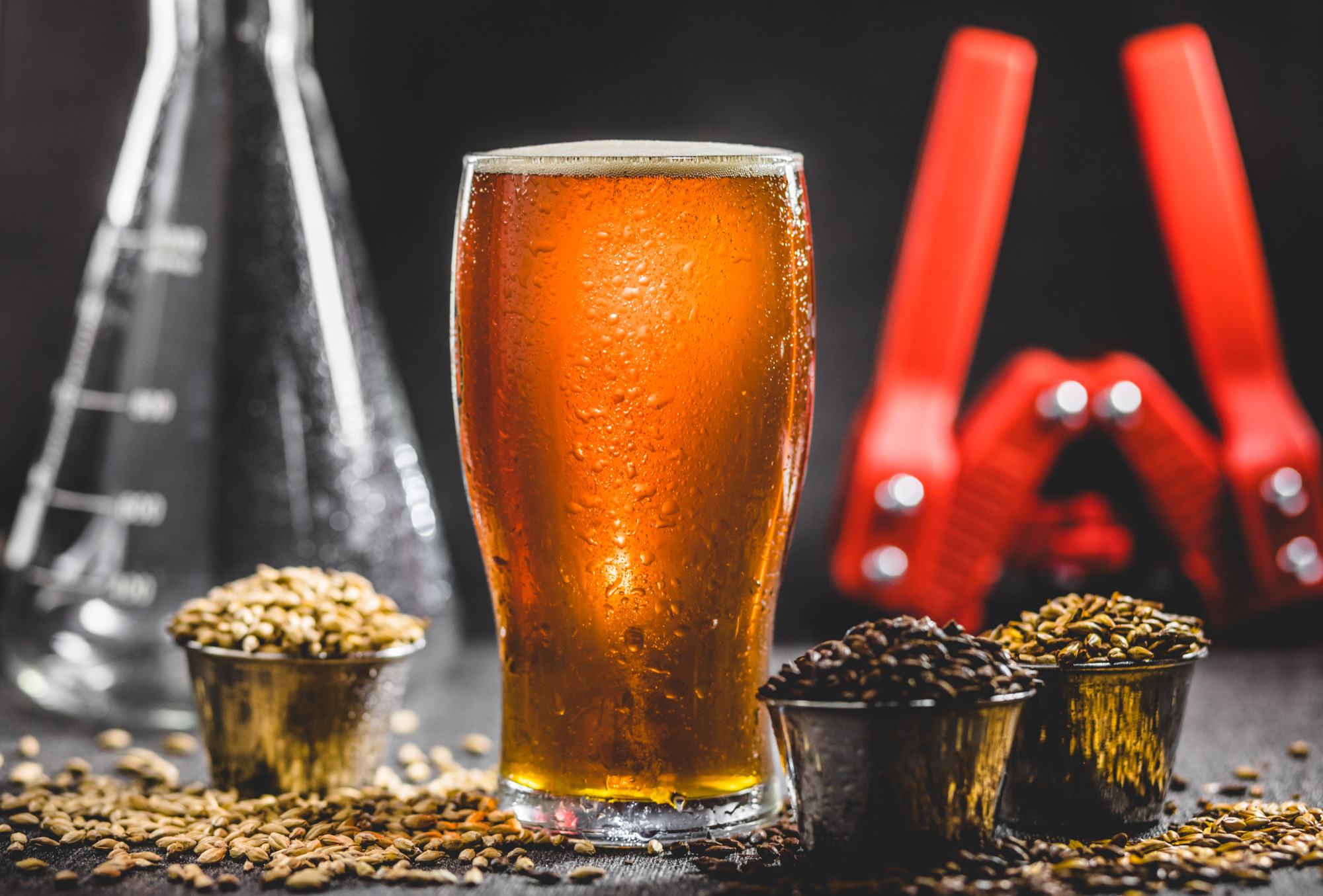
Grain to Glass: The Process of Brewing Beer Easily Explained

April 29, 2022

How many times have you been to a bar and seen 20-30 different types of beer? Unless you’re a certified beer judge, you probably can’t tell the difference.

Let’s face it, most of us aren’t experts, so when it comes to brewing beer, we rely on the professionals. But did you know you can brew beer at home?

Brewing beer is a complicated process, but once you understand what the brewery goes through, it’s a lot less scary. Read on to learn all about how to brew beer.

1. Malting

The first step to brewing beer is malting. Fresh barley is soaked in water and put in germinating boxes. The germinating process is when the enzyme Amylase forms.

Amylase is a key factor in the last few steps.

Germinating is then interrupted at the perfect time for klining.

2. Klining

The malt dries at 80 degrees Celsius. This “malt sugar” feeds yeast cultures later on.

The combination of the malt and yeast cultures will create the alcohol.

3. Milling

Though this is a small part of the process, it is one of the most important. Milling the finished malt will allow it to dissolve better in water.

Malt mills are able to produce different types of crushed malts:

  • Husks
  • Groats
  • Meal
  • Semolina
  • Powder

4. Mashing

Mash tuns combine the milled malt with water. The resulting wort rests at 65 degrees Celsius for one hour. Starch, sugar, and protein release in the mash.

Now, amylase separates the starch in this step.

5. Lautering

Lautering is where the wort separates from the proteins and starches. There are three steps to lautering:

  • Mashout- the mash temperature raises to 77 degrees Celsius. This makes the wort easier to work with and stops any potential enzymic reactions.
  • Recirculation – the wort drains to the bottom and recirculates. Any remaining grain is now filtered by the grain bed.
  • Sparging – the remaining grain is rinsed with heated water to get the last of the sugars for the wort.

6. Boiling

The wort sterilizes by boiling in a kettle. You can purchase many different sizes of brew kettles depending on your needs.

The boiling process can last from one to three hours. Hops are then added to the boiling wort, which affects the flavor of the beer.

If you want a more bitter taste, add in hops earlier. For more precise flavor and aroma, add in hops towards the end.

7. Fermentation

Yeast turns the malt into alcohol and carbon dioxide. This creates the texture of beer you’re familiar with.

Fermentation can range from 3-14 degrees Celsius depending on if it’s an ale or lager. This process can take up to 14 days.

8. Completion

Once the beer ferments, it is stored between 0-2 degrees Celsius. It can be stored anywhere from a few weeks to a few months. This is for the proteins and yeast to sink to the bottom and allow the beer to become clear.

A secondary fermentation may also take place.

Once the beer has completed its storage period, it is carbonated again upon packaging.

Brewing Beer

Beer brewing can seem tricky, but having the right beer brewing equipment will help make it easier. It is a long process that will not finish within a day but is well worth the wait.

After knowing the large production behind brewing beer, you may gain a better appreciation for it. And may even inspire you to create your own at home.

Did you find this article helpful? If so, make sure to read more from our Food category.

Filed Under: Food and Beer

Burgers and Beer: What Combinations Work Best?

April 19, 2022


We all know that burgers and beer go together like peanut butter and jelly. A burger is not a burger without a beer. These are two of the most popular foods in America.

But what are the best combinations of burgers and beer? Let’s take a look at some of the best beer and burger pairings!

Beef Burger With A Malty Beer

A delicious beef burger with a malty beer is the perfect meal for any occasion. They are hearty and filling and can be cooked to perfection with a little help from a cold beer. The maltiness of the beer helps to bring out the flavors of the beef, and the carbonation helps to keep the burgers moist.

This is a simple, yet delicious, way to enjoy a burger that will leave you satisfied and full of flavor.

Lamb Burger With A Hoppy Beer

There’s nothing like a juicy burger with a hoppy beer to wash it down. The combination of juicy, savory beef with the bitterness of the hops is heavenly. The burger is cooked to perfection, and the beer is cold and refreshing.

It’s the perfect meal for a summer day. And this Lamb Burger with a Hoppy Beer is the perfect burger for any beer lover. The burger is made with ground lamb, onion, garlic, and a hoppy beer, and then topped with a deliciously hoppy beer sauce.

The burger is served on a toasted bun with lettuce, tomato, and onion. So if you’re looking for a burger that’s packed with flavor and pairs perfectly with a beer, then this is the burger for you!

Classic Burger With Wheat Beer

There’s nothing like a classic burger and wheat beer on a hot summer day. The burger is cooked to perfection with a juicy beef patty, fresh tomato, crispy lettuce, and zesty pickles. The wheat beer is the perfect complement to the burger, with its smooth and slightly sweet flavor.

This meal is the perfect way to enjoy the summer sun. You can never go wrong with a classic burger with a beer. Go ahead and get the best burgers here!

BBQ Burgers and Beer Stout

This burger is the perfect way to show off your culinary skills to friends and family. It’s easy to make, and the flavors are positively drool-worthy.

The key to this burger is in the sauce. It’s a sweet and tangy BBQ sauce that’s made with stout or porter beer. The beer adds a depth of flavor that enhances the other ingredients.

The burgers are grilled to perfection, and the cheese is melted to perfection. Serve them on a toasted bun with a side of fries, and you’ll have a meal that everyone will love.

The Perfect Combination

If you’re looking for the best beers for burgers, you can’t go wrong with a light beer paired with a classic burger. The burger will satisfy your hunger, and the beer will quench your thirst.

So next time you’re at a cookout, make sure to grab burgers and beer. Subscribe to get the latest posts about the best beers!

Filed Under: Food and Beer

5 Benefits of Creating a Healthy Weekly Meal Plan For Your Family

March 29, 2022


High Angle View Of A Meal Plan Concept On Wooden Desk

Fat and added sugar make the American diet unhealthy. Are you one of the millions of Americans who want to get on the right track with a healthy weekly meal plan? As the old saying goes, “when you fail to plan, you plan to fail.”

The benefits of a weekly meal plan include improving your health, losing weight, saving money, and adding variety to your diet. A convenient weekly meal plan coordinates meals each night of the week, so your family is never left wondering, “what’s for dinner?”

Check out these five advantages to creating a healthy weekly meal plan.

1. Healthy Weekly Meal Plans Improve Your Health

After a week of healthy meals, you will lower your cholesterol and blood pressure. Processed foods contain high amounts of salt and sugar. Healthy weekly meals allow you to customize your food with high-quality vegetables, good carbohydrates, and little added sugar.

In no time, you’ll be more alert, sleep better, and have more energy. Healthy weekly meals will give you the natural vitamins you need to live a healthier lifestyle.

2. Lose Weight

Portion control with your convenient weekly meal plan can help you eat less and thus lose weight. When you become lighter, there’s less stress on your joints and hips. You’ll move better, and you’ll want to exercise more.

Cutting down the number of calories you eat helps you lose weight. Dropping just a small amount of weight thanks to meal planning strategies will encourage you to lose more!

3. Save Money

Developing a list of items from the grocery store and planning out a week of healthy meals helps you save money. You can sit down with your family and plan your meals with your budget. Grocery store trips with meal planning strategies mean you’ll stick to the list.

You can also plan your meals and save money by shopping sales, using coupons, and taking advantage of bulk items at warehouse clubs.

4. Add Variety to Your Diet

One of the benefits of a weekly meal plan is you add variety. Different meals each day mean you can always plan something new.

You won’t eat the same meals week after week. Adding Berkshire pork is a great way to add variety.

5. Eliminate Food Waste

Structuring your meal planning strategies means you’ll have enough food for you and your family, and none will go to waste.

Planning out portions and the number of meals each week means less food in the trash.

Five Benefits of a Healthy Weekly Meal Plan

The benefits of a healthy weekly meal plan include improving your health, losing weight, and saving money. You will also add variety to your diet and eliminate food waste.

Stop wondering what to feed your family for dinner each night! Get on a weekly meal plan schedule, and your family will enjoy helping plan your meals and look forward to a healthy menu.

Keep reading our blog for more information about eating healthy and living a healthier lifestyle.

Filed Under: Food and Beer

6 Common Meat Cooking Mistakes and How to Avoid Them

March 16, 2022


Did you know that around 22% of food poisoning cases each year are linked to meat and poultry? That’s millions of people getting sick from meat that was either contaminated or cooked incorrectly. Preventing meat cooking mistakes can not only improve the taste and quality of your meat but keep you and your family safe.

While cooking meat can be intimidating, with the right skills and techniques, you can conquer any meat-based recipe. Here are the top six cooking mistakes when it comes to meat and how to avoid them.

1. Undercooking

One of the biggest culprits when it comes to cooking meat is undercooking it. Undercooking meat can lead to inside temperatures that are insufficient to ensure that harmful bacteria get killed. This is especially important when it comes to poultry meats like chicken and turkey.

Poultry meats often carry salmonella, which often causes food poisoning and severe sickness. It’s Important to take precautions with poultry meat and cook it thoroughly, with inside temperatures reaching 165°F.

2. Overcooking

While overcooking your meat isn’t dangerous for your health, it can lead to dry meat that is hard to chew. This is because overcooking your meat causes the muscle fibers in your cut to become tight. The meat toughens to the point that it can shrink in size, as the fat and juices get cooked out of it.

Much of the flavor in meat comes from the fat within it. Overcooking it to the point where little to no fat content is left causes it to lose flavor, leaving you with bland and lifeless meat that adds little to your dish.

3. Using Too Much Salt and Seasoning

Seasoning and salt are integral parts of cooking all types of meat. However, when you use too much salt and even other seasonings it can overwhelm the meat’s flavor. Adding too much salt can cause your meat to become hard to palate unless you’re curing your meat, such as the ham used in making tasso ham.

Adding too much seasoning and salt can be fixed by adding other things to your meat to dilute the saltiness. Although, this does require you to augment your original plans for your meat, so season carefully!

4. Cross-contamination

Cross-contamination is another way people may get sick from meat. Cross-contamination happens when utensils, plates, and even marinade used to prepare the raw meat come back into contact with the cooked meat. This causes you to consume bacteria and other contaminants reintroduced to the dish after the meat cooking process.

To avoid this, it’s important to keep anything that comes into contact with the raw meat separate and washed immediately. This ensures that anything your cooked meat touches after is safe for you and your family.

5. Cooking Frozen Meat

Cooking frozen meat can ruin your dish in several ways. When meat isn’t allowed to thaw out and come to room temperature, you risk overcooking the meat on the outside, leaving the inside undercooked and possibly still cold. This is even more important when using thick cuts of meat like whole poultry, brisket, and filets.

Letting your meat defrost is an important part of the prepping process, and is one way to ensure that your food can reach the proper temperatures for cooking meat.

6. Not Resting Your Meat

Resting your meat is one step that is often overlooked. Not letting your meat rest can alter your finished product. When you take your meat off of the heat source, your meat continues to cook for a few minutes longer.

This means that the fat and juices within the meat haven’t been reabsorbed back into the muscle fibers. When you cut into hot meat, you might notice that it appears very juicy. However, this loss of liquid can leave your meat less flavorful and dry, taking away from the experience of your meal.

Stop Making Meat Cooking Mistakes Today!

Using meat within your recipes can bring their flavors to the next level. When you take the time to make sure that you’re cooking your meat properly, you keep yourself safe and enjoy amazing meals.

Don’t let meat cooking mistakes hold your dishes back from shining to their fullest potential, and start making meat the right way today!

If you enjoyed this article and would like to learn more cooking tips, be sure to check out our other posts in food and beer!

Filed Under: Food and Beer

Setting Up a Commercial Kitchen: Here’s What You Need

March 14, 2022


Did you know that the way you set up your commercial kitchen determines how smoothly the restaurant functions?

If it’s not designed strategically, your staff won’t have the ability to deliver amazing service and it won’t meet the needs of the restaurant. In your commercial kitchen, you need to have space for storage, food prep, service, dish cleaning, and more, to support your food operation.

Setting up a commercial kitchen is no easy task and it’s one that you have to do perfectly. If you are wondering how to set up your commercial kitchen, this short and simple guide is for you.

Understand Your Local Codes and Regulations

Before you set up your kitchen, you need to know your local codes and regulations. Ask your county’s health department about food production, packaging activities, and the needed permits to operate a business legally.

Develop a Menu

The next step is to develop a menu for your target market. Whether you are serving hamburgers, desserts, gourmet food, and more, your food determines the kitchen essentials you’ll need.

Design the Workflow

The next step is to design the workflow of your kitchen. You need to know where you will place the kitchen stinks, the grill, and more. How you design your kitchen space will be the difference between working effectively and ineffectively.

Stock Your Kitchen With the Right Commercial Equipment

Next, you need to stock your kitchen with the right commercial equipment. You need refrigerators and freezers, ovens and ranges, compartment sinks and dishwashers, and food processors and mixers. You can view here for more commercial equipment.

Hire Experienced Staff

Next on your list is to hire experienced kitchen staff. Hire staff that understands your vision and will work hard to make it happen. You can do this by using staffing agencies, a website like indeed, or by finding the workers yourself.

Understand Sanitation

One of the most important factors in food businesses is understanding sanitation. Design your kitchen with sanitation in mind and train your staff in the latest procedures. This is also an area where you need to pay close attention to your local rules and regulations.

Get Approval From Your Health Department

When it is all said and done, the last thing to do is to get approval from your health department. Make sure you have all the kitchen necessities, know how to sanitize, have licensed food handlers, and more. The health department stamp of approval will let you know when it’s time to open.

These Are the Essentials of Setting up a Commercial Kitchen

The commercial kitchen is key in determining your business success.

After making sure the business is legal, you should determine what equipment you need, what type of storage you require, what hours the staff will work, and more. This goes a long way to making sure the kitchen culture is a good fit for your team and your needs.

Don’t forget to browse our site for food, sports, travel, and more.

Filed Under: Food and Beer

« Previous Page
Next Page »

Primary Sidebar

About Us

Hey :) I'm Markus, the youngest of the Beekman brothers. My camera shy brother is Jeff Beekman. I tend to do the writing and he does the photography. We grew up in the United States and have been traveling around the world for about 2 years now. Read More…

[custom-facebook-feed]

Don’t Miss These!

beyond the pint the insiders guide to brewery tours in margaret river

Beyond the Pint: The Insider’s Guide to Brewery Tours in Margaret River

taste adventures finding food youll love while traveling

Taste Adventures: Finding Food You’ll Love While Traveling

the one drink hangover why some people feel terrible after just one glass

The ‘One-Drink Hangover’: Why Some People Feel Terrible After Just One Glass

tasty ways for seniors to put on weight without it feeling like a chore

Tasty Ways for Seniors to Put On Weight (Without It Feeling Like a Chore)

Most Popular Recipes

beyond the pint the insiders guide to brewery tours in margaret river

Beyond the Pint: The Insider’s Guide to Brewery Tours in Margaret River

taste adventures finding food youll love while traveling

Taste Adventures: Finding Food You’ll Love While Traveling

Stay Updated

Footer

About Us

Hey :) I'm Markus, the youngest of the Beekman brothers. My camera shy brother is Jeff Beekman. I tend to do the writing and he does the photography. We grew up in the United States and have been traveling around the world for about 2 years now. Read More…

My Favorites

beyond the pint the insiders guide to brewery tours in margaret river
taste adventures finding food youll love while traveling
the one drink hangover why some people feel terrible after just one glass

stay connected

  • Facebook
  • Instagram
  • Pinterest
  • RSS
  • Twitter

Get the Latest Posts

© 2026 · Beekman Beer Garden